
Why Am I Not Getting an Erection? Common Causes
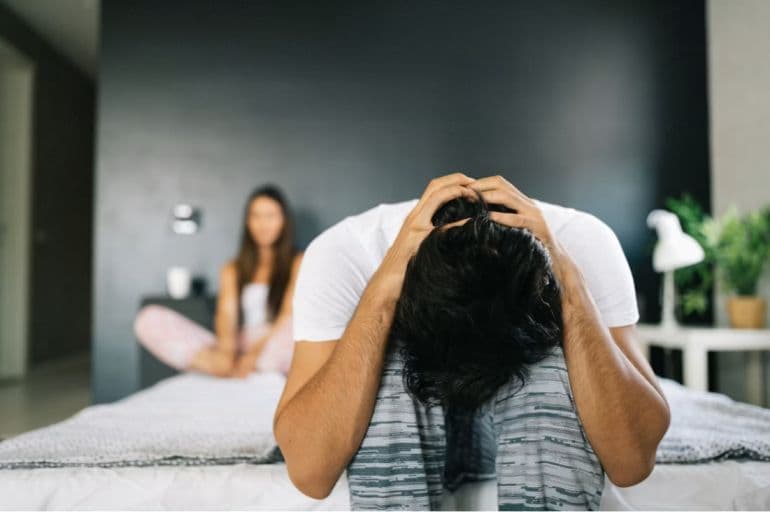
If you are asking, “Why am I not getting an erection?”, you are not alone. Difficulty getting an erection can happen occasionally, but repeated problems may be related to physical health, stress, anxiety, medicines, lifestyle factors or other underlying causes.
An erection involves the brain, nerves, hormones, blood vessels and penile tissues working together. A problem affecting any of these systems can make it difficult to become or remain erect.
The important thing is not to panic after one unsuccessful sexual experience. Instead, pay attention to whether the problem keeps happening and whether there are other changes in your sexual or general health.
Why Am I Not Getting an Erection?
There are several possible reasons why you may have difficulty getting an erection, including:
- Stress or anxiety
- Performance anxiety
- Lack of sexual arousal
- Tiredness or poor sleep
- Excessive alcohol consumption
- Smoking
- Certain medicines
- Diabetes
- High blood pressure
- Cardiovascular or blood-vessel problems
- Hormonal problems
- Obesity
- Neurological conditions
- Relationship difficulties
- Other health conditions
Sometimes more than one factor is involved.
1. Stress May Be Affecting Your Erection
Stress can interfere with sexual arousal and make it harder to get an erection. Work pressure, financial concerns, family problems or other forms of emotional stress can affect your ability to focus on sexual stimulation.
If erection difficulties appear mainly during stressful periods and improve when you feel relaxed, psychological factors may be contributing. However, recurring symptoms should not automatically be assumed to be caused by stress.
2. Performance Anxiety Can Make It Difficult to Get Hard
Performance anxiety is another common reason for situational erection difficulties. You may start thinking:
- “What if I lose my erection?”
- “What if I cannot satisfy my partner?”
- “What if it happens again?”
These thoughts can increase anxiety and interfere with sexual arousal.
This can create a cycle: Previous erection difficulty → fear of it happening again → anxiety → difficulty getting an erection → increased fear. Breaking this cycle may require addressing both the sexual concern and the anxiety surrounding it.
3. You May Not Be Sufficiently Aroused
An erection is influenced by sexual stimulation and arousal. If you are distracted, emotionally disconnected, uncomfortable or simply not sufficiently aroused, getting an erection may be difficult.
This does not automatically mean you have erectile dysfunction. Sexual response can vary depending on the situation, relationship, mood and level of stimulation.
4. Lack of Sleep or Physical Tiredness
Being extremely tired can affect many aspects of sexual function. Poor sleep may also contribute to stress, reduced energy and changes in overall wellbeing. If erection difficulties happen mainly when you are exhausted or sleep-deprived, improving your sleep and general routine may be helpful. If the problem continues even when you are rested, consider discussing it with a healthcare professional.
5. Alcohol May Affect Your Erection
Alcohol can affect sexual response, particularly when consumed excessively. You may notice that erections are more difficult to achieve or maintain after drinking. Frequent excessive alcohol consumption can also contribute to broader health problems that may affect sexual function.
6. Smoking Can Affect Erectile Function
Smoking can negatively affect blood-vessel health. Because erections depend on adequate blood flow, smoking may contribute to erection difficulties. If you smoke and are experiencing recurring erection problems, discussing both issues with a healthcare professional can be useful.
7. Certain Medicines Can Affect Erections
Some medicines can contribute to sexual side effects.
Depending on the medicine, these may include certain treatments for:
- High blood pressure
- Depression
- Anxiety
- Allergies
- Pain
- Other health conditions
If you think a medicine is affecting your erection, do not stop taking it without medical advice. Speak with the healthcare professional who prescribed it. They can determine whether the medication may be contributing and whether an alternative or adjustment is appropriate.
8. Diabetes Can Affect Erections
Diabetes can affect blood vessels and nerves involved in erectile function. Men with diabetes may therefore experience erection problems, particularly when the condition has affected cardiovascular or nerve health. If you have diabetes and are repeatedly having difficulty getting an erection, discuss the problem with your healthcare professional.
9. High Blood Pressure Can Contribute to ED
High blood pressure can affect blood-vessel health. Since erections require adequate blood flow, vascular problems can contribute to erectile difficulties. If you have high blood pressure and notice persistent changes in your erections, it is worth mentioning them during a medical consultation.
10. Hormonal Problems May Play a Role
Hormones are involved in sexual desire and reproductive function. Low testosterone can be associated with reduced sexual desire and may contribute to sexual difficulties in some men. Thyroid problems and other hormonal conditions can also affect sexual health. However, not every erection problem is caused by low testosterone. A hormone deficiency should not be assumed without appropriate medical evaluation.
11. Cardiovascular Health Can Affect Erections
Healthy blood vessels are essential for an erection. Conditions affecting cardiovascular and vascular health can therefore be associated with erectile dysfunction. If you have cardiovascular risk factors such as high blood pressure, diabetes, high cholesterol or smoking, recurring erection difficulties should be discussed with a healthcare professional.
12. Being Overweight May Increase the Risk
Being overweight or having obesity can be associated with erectile dysfunction. Weight-related metabolic changes may affect cardiovascular health, hormones and other systems involved in sexual function. Improving physical activity, nutrition and overall health may help address some of these contributing factors.
13. Relationship Problems Can Affect Sexual Function
Emotional tension, unresolved relationship issues or communication difficulties can affect sexual arousal. You may find that you have difficulty getting an erection with a partner during periods of relationship stress even though your sexual function may be different in other situations. When relationship or psychological factors appear important, appropriate counselling or professional support may be beneficial.
Why Can I Get an Erection Sometimes but Not During Sex?
This situation is relatively different from being unable to get an erection under all circumstances. For example, you may experience erections during masturbation or spontaneous erections but have difficulty during partnered sex.
Possible factors include:
- Performance anxiety
- Stress
- Relationship concerns
- Distraction
- Fear of losing the erection
- Alcohol
- Lack of arousal in that situation
The pattern does not by itself establish a diagnosis, but it can provide useful information during an evaluation.
Why Can I Get an Erection but Lose It Quickly?
Some men can achieve an erection but cannot maintain it long enough for sexual activity. This can be associated with:
- Performance anxiety
- Stress
- Reduced arousal
- Alcohol
- Certain medicines
- Blood-flow problems
- Other physical or psychological factors
If losing an erection happens repeatedly, it may be worth discussing with a healthcare professional.
Why Am I Not Getting an Erection in the Morning?
Morning erections naturally vary. Not having a morning erection occasionally does not necessarily indicate a problem. However, if you notice a persistent change in your erections along with difficulty during sexual activity, it may be useful to discuss the overall pattern with a healthcare professional.
Can Masturbation Cause Difficulty Getting an Erection?
Masturbation itself is not generally considered a direct cause of erectile dysfunction. However, sexual habits, anxiety, expectations about sexual performance and individual psychological factors can influence sexual experiences. If you are consistently unable to get an erection during partnered sex, the underlying reason should be explored rather than assuming masturbation is responsible.
Can Porn Cause Erectile Dysfunction?
The relationship between pornography use and erectile difficulties can be complex. Some people may experience changes in sexual expectations, arousal patterns or performance anxiety associated with their individual sexual habits. However, erection problems can have many possible physical and psychological causes. Persistent ED should not automatically be attributed to pornography.
How Do I Know If I Have Erectile Dysfunction?
Occasional difficulty getting an erection does not necessarily mean that you have ED. Erectile dysfunction generally involves recurring difficulty getting or maintaining an erection sufficient for sexual activity.
You may want to seek professional guidance if: You repeatedly cannot get an erection You frequently lose erections during sex Your erections have become consistently weaker The problem is affecting your confidence or relationship You have diabetes, high blood pressure or cardiovascular risk factors The problem continues despite adequate rest and reduced stress
What Can I Do If I Am Having Trouble Getting an Erection?
The appropriate approach depends on the cause. Some general measures that may support sexual and overall health include:
- Getting adequate sleep
- Exercising regularly
- Maintaining a healthy weight
- Avoiding smoking
- Limiting excessive alcohol
- Managing stress
- Managing existing health conditions
- Reviewing medicines with a healthcare professional when appropriate
If erection difficulties continue, professional evaluation is more useful than relying only on self-treatment.
When Should I See a Doctor?
Consider speaking with a healthcare professional if your erection problems are persistent, recurring or causing significant concern. You should also discuss the issue if you have underlying conditions such as diabetes, high blood pressure or cardiovascular disease, or if the problem started after an injury, surgery or a new medication.
A healthcare professional can review your symptoms and medical history and determine whether further evaluation is appropriate.
Final Takeaway
Not getting an erection can happen for many reasons, and one unsuccessful sexual experience does not automatically mean you have erectile dysfunction. Stress, performance anxiety, tiredness, alcohol, medicines, lifestyle factors and health conditions can all affect erectile function.
If difficulty getting or maintaining an erection becomes a recurring problem, consider seeking professional guidance instead of trying to identify the cause through guesswork. Understanding the underlying factors can help determine the most appropriate next step.
SexVeda provides confidential online sexual-health consultations for men who want professional guidance about erectile dysfunction and other sexual health concerns.
Why am I not getting an erection when I want one?
Possible reasons include stress, anxiety, performance pressure, lack of arousal, tiredness, alcohol, medicines, cardiovascular conditions, diabetes and other health factors. The exact cause varies between individuals.
Why can't I get hard with my partner?
Performance anxiety, relationship stress, distraction, reduced arousal and physical health factors can all contribute. If it happens repeatedly, professional evaluation can help identify the cause.
Why do I get hard alone but not with my partner?
Situational erection difficulties can sometimes be related to performance anxiety, stress, relationship factors or other psychological influences. Physical factors can also contribute.
Why do I lose my erection during sex?
Repeated erection loss can be associated with anxiety, stress, alcohol, reduced arousal, medicines, blood-flow problems or other health conditions.
Can stress stop me from getting an erection?
Yes. Stress and anxiety can interfere with sexual arousal and may make it difficult to achieve or maintain an erection.
Is it normal to have trouble getting an erection sometimes?
Occasional erection difficulties can happen and do not necessarily mean you have ED. Persistent or recurring problems deserve further attention.
Should I take erectile dysfunction medicine on my own?
It is safer to discuss ED medicines with a healthcare professional first. Some medicines can interact with other drugs or may not be appropriate for people with certain health conditions.